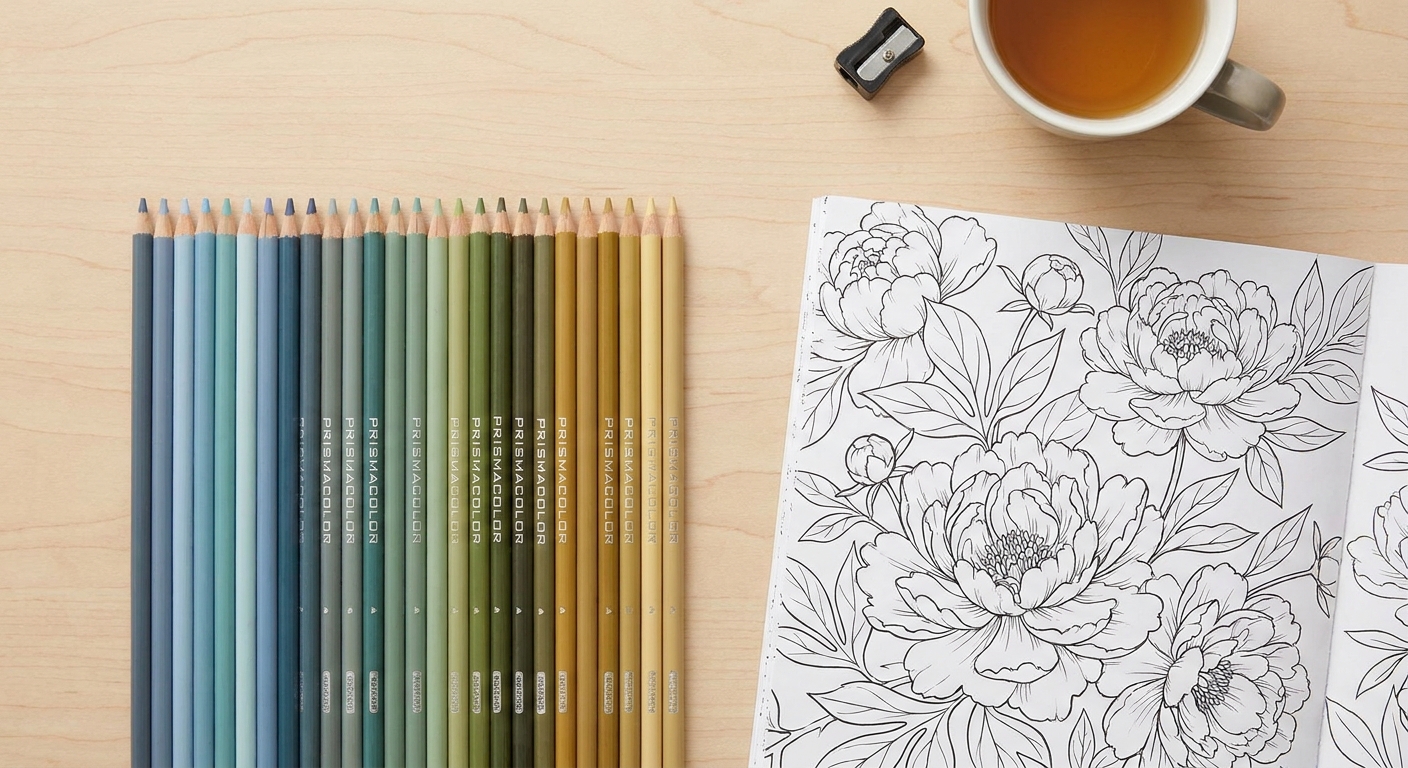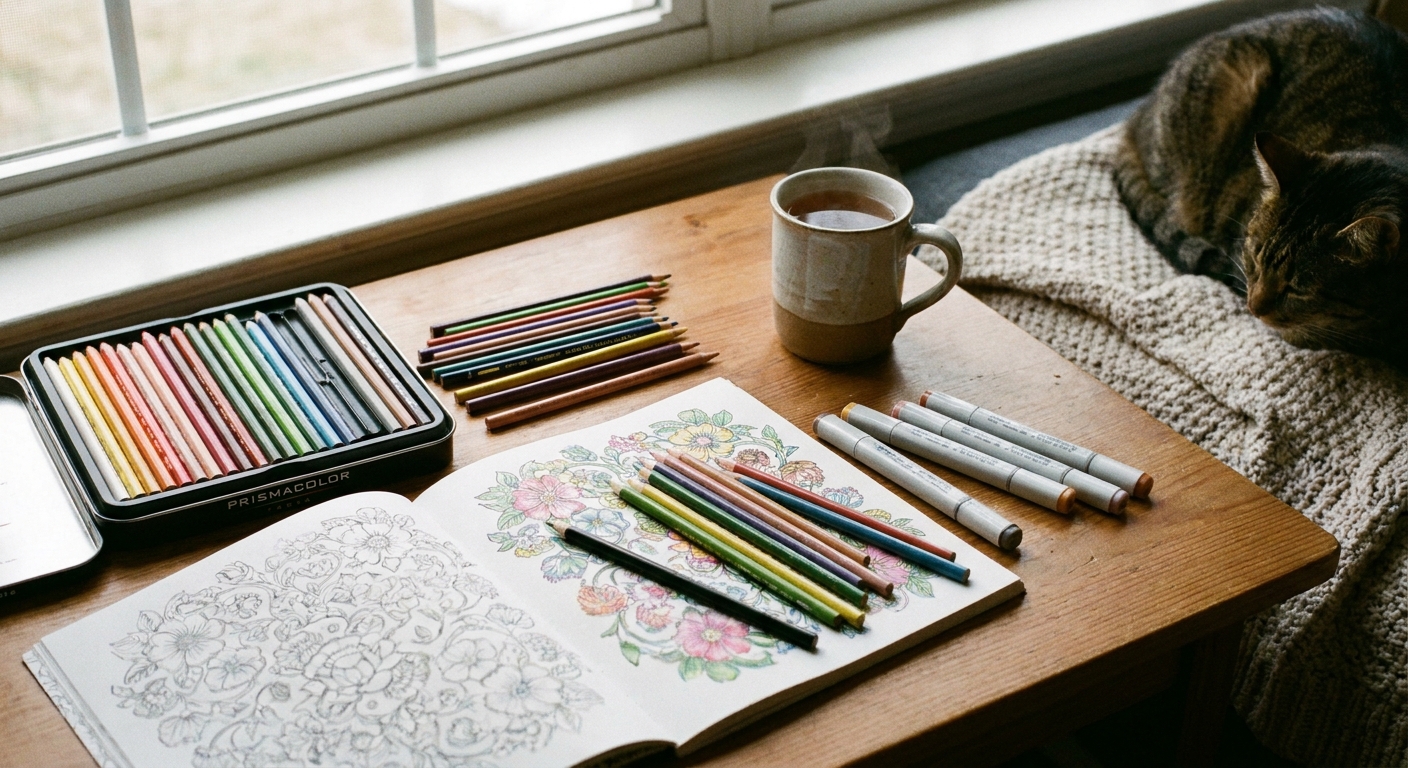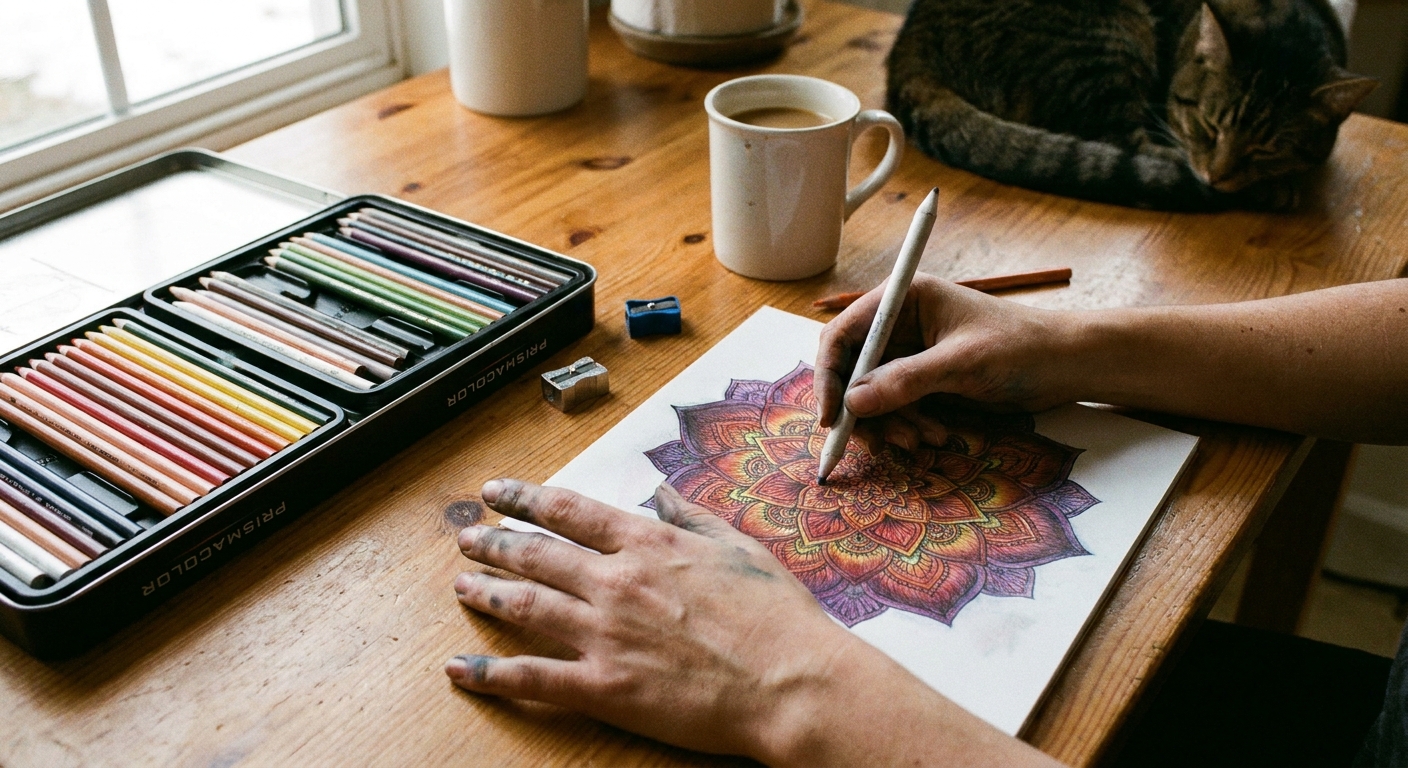

I keep a small stack of coloring pages in the same place I keep my grocery list and stray pens, right on the dining table. That is partly nostalgia (I grew up with sketchpads everywhere), and partly strategy. When my brain locks up and I cannot think of a single good idea, I do not try to wrestle my way through. I color inside someone else’s lines for ten minutes and let my mind quietly come back online.
It sounds almost too simple, which is exactly why it works for me. Coloring is structured, low-stakes, and repetitive in the best way. For artists, writers, and anyone who feels stuck staring at a blank page, it can be a soft reset that makes room for new ideas.
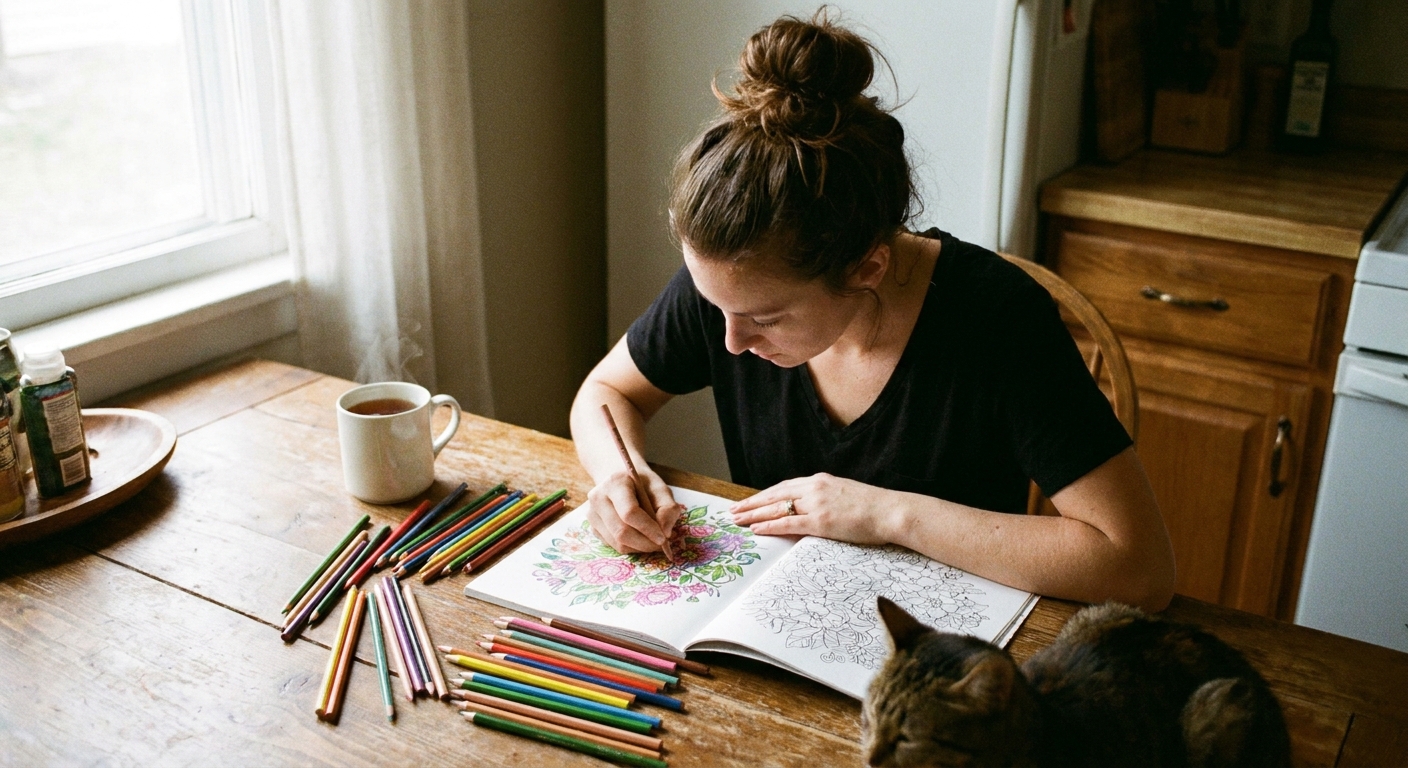
Why creative block feels heavy
Creative block is rarely a lack of talent. Most of the time, it is a mix of mental noise:
- Perfectionism that makes every idea feel not good enough before it even lands.
- Decision fatigue from too many options (what should I draw, write, design, choose, fix?).
- Stress that can make your nervous system feel stuck in “solve it now” mode instead of “play and explore” mode.
- Overexposure to input, like endless scrolling, tutorials, references, and opinions.
Coloring helps because it gives you a creative action without asking you to invent something from scratch. You are still making choices (color, pressure, pattern, shading if you want), but the foundation is already there.
How coloring can help
1) It lowers the stakes
When you color a page, you are not proving anything. There is no “original concept” to defend, and no one is waiting for you to be brilliant. That lower pressure is not laziness. It is oxygen.
2) It gives your mind one gentle job
Creative block often comes from trying to think in ten directions at once. Coloring narrows your focus to one small, doable task: fill this shape. Pick a hue. Repeat. That kind of single-task attention can feel surprisingly restorative.
3) It creates motion, and motion creates momentum
When you are blocked, the hardest part is starting. Coloring is an easy “start” because it is already defined. Once you are moving, it becomes easier to transition into your own work.
4) It invites happy accidents
A color combination you did not expect, an odd contrast, a pattern you repeated without thinking, those tiny surprises can become seeds for bigger ideas. I have absolutely borrowed palette ideas from my own coloring pages for handmade cards and little craft projects.
If you enjoy the calming side of coloring and want a basic refresher on supplies and approaches, you might like our overview at /guide-coloring-pages/.
A short reset routine
This is the routine I use when I feel foggy, restless, or overly critical. It is intentionally short, because the goal is not to finish a masterpiece. The goal is to unblock the channel.
- Pick a page with clear shapes. Florals, geometric patterns, simple scenes. When you are stuck, ultra-detailed pages can feel like another obligation.
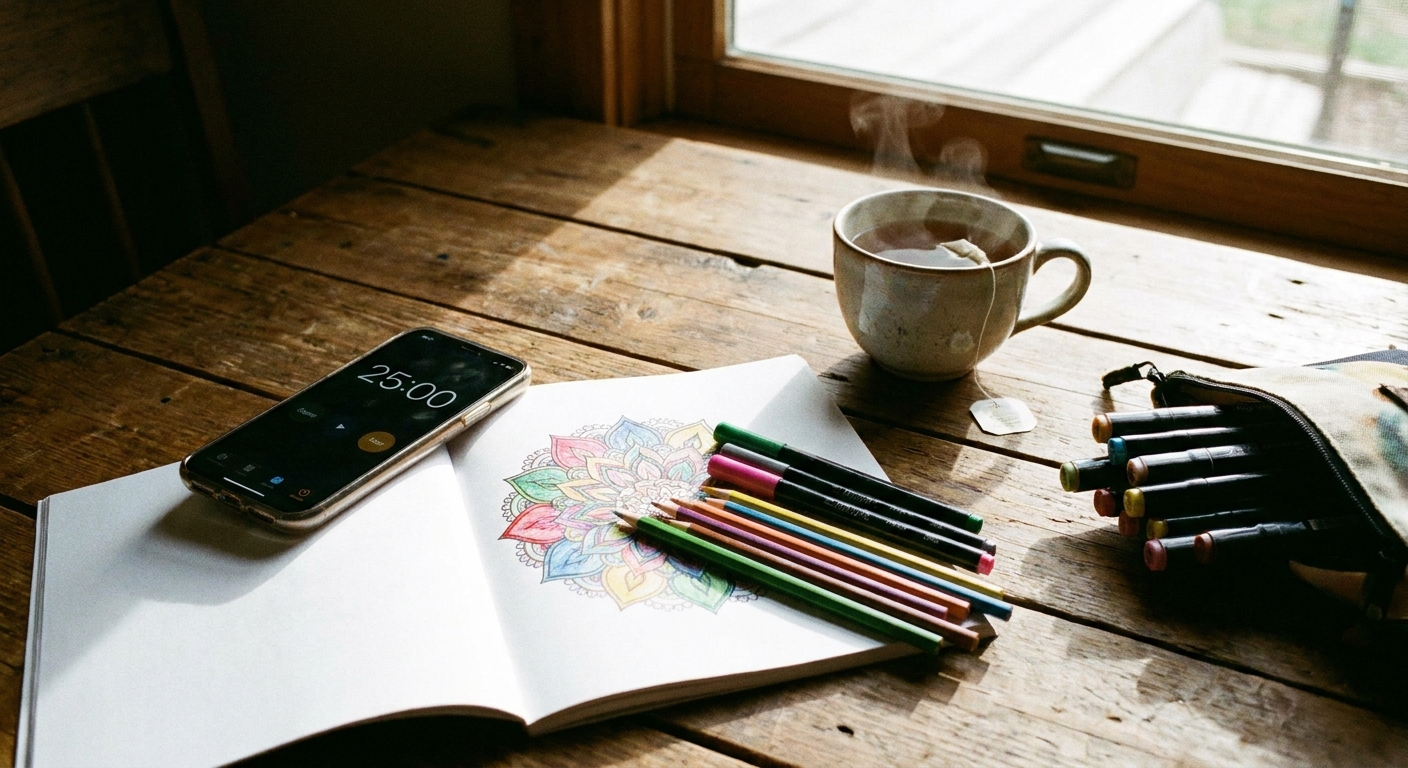
- Choose only 3 to 5 colors. Limiting your palette reduces decision fatigue and makes the whole page feel cohesive.
- Set a timer. Ten minutes is enough. If you keep going, great. If not, you still did the reset.
- Color one small area fully. A single flower, a corner pattern, one character’s shirt. Completing a “unit” is more satisfying than scattering effort everywhere.
- Stop while it still feels pleasant. I know that sounds backwards, but it matters. Ending on a good note trains your brain to come back willingly next time.
Turn colors into ideas
Coloring can be calming, but it can also be a very practical idea generator. Here are a few of my favorite bridges from “coloring mode” to “making mode.”
Use the palette as a prompt
When you finish a section, look at your colors and ask:
- What season does this feel like?
- What mood does it carry (cozy, sharp, dreamy, dramatic)?
- If this palette were a place, what would it be?
Writers can turn those answers into a setting. Visual artists can use them to start a new piece without overthinking composition.
Mine patterns for style cues
Notice what you repeated. Did you alternate warm and cool tones? Did you keep everything muted until one bright accent? That is your style peeking out when you are not trying so hard.
Lift one tiny element
Instead of copying the whole page, lift one small thing and remix it:
- A leaf shape becomes a border design.
- A color gradient becomes a sky in a painting.
- A character’s outfit colors become a branding palette for a personal project.
What to color when stuck
If you feel anxious
- Large shapes
- Simple animals
- Big flowers
Think: fewer decisions, more calm.
If you feel bored
- Mandala-style repeating patterns
- Busy garden scenes
- Geometric designs with lots of sections
Think: enough detail to keep your brain engaged.
If you feel perfectionistic
- Loose doodle-style pages
- Cartoon-ish scenes
- Anything playful
Think: pages that do not demand realism.
Keep it low-stress
If coloring has ever felt like “one more thing to do,” try one of these gentle tweaks:
- Color with whatever is nearest. One pencil. One marker. A random crayon. Restrictions can be freeing.
- Do a messy page on purpose. Pick clashing colors. Color outside the lines. Your brain needs proof that nothing bad happens.
- Cover mistakes with patterns. Dots, stripes, little scallops. Patterns are the ultimate save and they often look intentional.
- Switch tools mid-page. Pencil plus marker accents. Crayon plus gel pen. The variety can wake up your attention.
Also, a small permission slip: coloring is not a cure-all, and it will not work the same way every time. If you try it and still feel blocked, that is not a failure, it is information. Shorten the timer, switch to bigger shapes, or take a real break and come back later.
Pick pages and paper
If you like swapping supplies, your paper matters more than you think. Thin printer paper is fine for pencils, but markers can bleed through and turn the session into a frustration spiral. When I know I want to use markers, I either:
- Put a scrap sheet underneath to protect the table and whatever is below.
- Stick to marker accents and do most of the fill with pencils.
- Choose simpler pages so I am not fighting the paper for an hour.
For more on tools, paper, and basic approaches, our coloring pages guide walks through the options in a very no-drama way.
From page to project
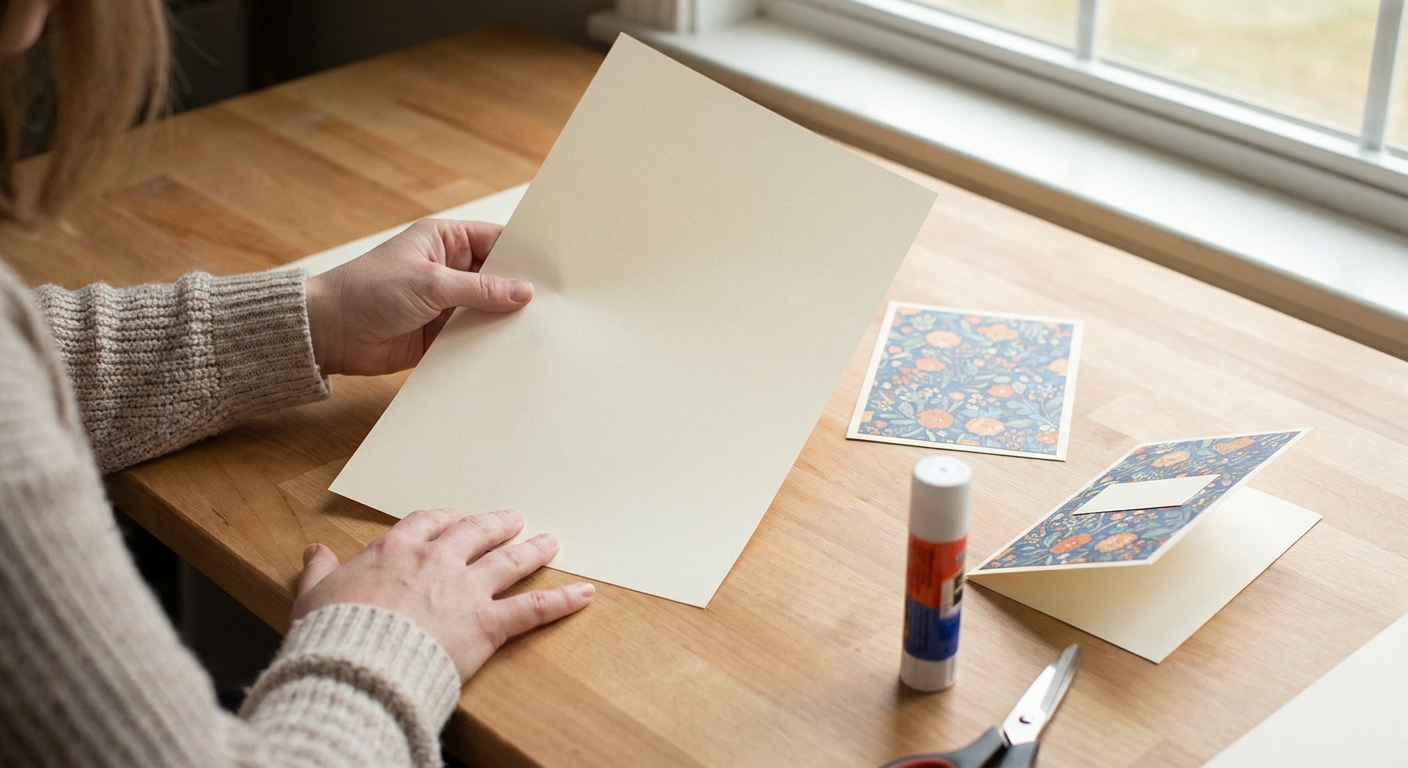
Sometimes the best way to beat a block is to finish with a small “ta-da.” If you want to turn that freshly colored page into something you can hold, display, or give away, try making a card.
I have a step-by-step tutorial here: /turn-a-coloring-page-into-a-folded-card/. It is one of my favorite ways to turn a quiet coloring session into a little burst of momentum.
Quick FAQ
Do I have to finish a whole page?
No. Coloring is like stretching. Even a few minutes can loosen things up. I often stop after one corner or one main shape.
What if coloring makes me impatient?
Use bigger areas and fewer colors, and set a shorter timer. You are not training endurance here. You are building a bridge back to creativity.
Can this help with writing block?
In my experience, yes. Coloring gives my hands something to do and helps quiet the part of me that wants to micromanage every sentence. A lot of plot fixes show up for me while I am quietly filling in petals.
What supplies do I need?
Whatever you have. A basic set of colored pencils is more than enough. If you want to explore tools and paper choices later, start with our coloring pages guide.
A gentle next step
If you are blocked right now, do not negotiate with it for hours. Pick a page, pick three colors, and color one small section. Let your brain experience a win that does not require genius. That is often where the next idea begins.
If you want to know more about how stress can affect focus and creativity, the American Psychological Association has a helpful overview here: https://www.apa.org/topics/stress.